
#WhatIEatInADay
how social media may implicate negative eating habits
4/1/20263 min read
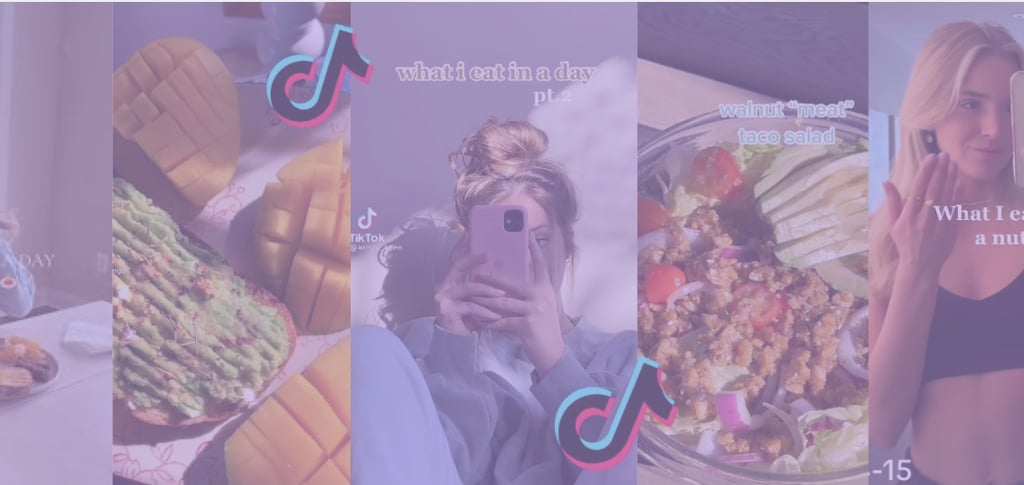
Scrolling through TikToks or Instagram, it is impossible not to come across a “What I eat in a day as a…” video. From the perfect avocado toast to the gut-healthy bagels, influencers promoting their diet are everywhere. Initially, these short videos were meant to be inspiring and educational, promising “wellness” and health. However, behind the catchy tunes and clean recipes lies an underlying issue of quietly normalizing eating disorders.
“What I eat in a day videos” are not just a microtrend, but have become one of the reasons people watch TikToks, and the reputation of influencers. “Teenage users cite inspiration for meals as one of the reasons they use TikTok,” but these influencers have no real qualifications to be setting these standards (1). Although these videos don’t explicitly give advice, they still can influence viewers through words and actions. These videos don’t just reach a few people; they reach millions, giving rise to the trend as other influencers emulate the popular videos. In a study on analyzing #WhatIEatInADay videos, researchers found that a sample of the videos with this hashtag had a total of 6.5 billion views. In their sample of data, 95% of these videos were created by females, and two-thirds of the videos have white representation (1). These eating videos don’t fully reflect what most people eat in a day, and are a generalization of what a healthy diet can consist of. Despite the knowledge of influencers setting unrealistic standards, viewers still try to look and be like them, even by compromising their health.
Another issue isn’t just the video itself, but the reaction towards the videos. Most “What I Eat in a Day” videos are filmed by the ideal body, and often, viewers watching this feel intimidated. Comments such as, “if you saw what I would eat, you would go crazy,” or “maybe I should starve myself,” constantly find their way into the comment section of these videos. While it may seem like a mindless jab at the influencer’s diet or a play on the viewers' diet, recurring thoughts and issues like these can lead to eating disorders. For example, the constant comparison in comments, “ … may draw attention to a viewer’s own weight/shape and elicit self-comparison thoughts”(1). Issues like these are very common and are a concern for psychiatrists and the general public. A related concern around this is the issue that following “What I Eat in a Day” videos can trigger eating disorders. Psychiatrists warn that “watching 'what I eat in a day’ videos can bring about an increase in urges to diet, binge eat, cut out foods or food groups, overexercise, or engage in other unhealthy eating behaviors” (2). They stress that a lot of the influencers posting WIEIAD videos are not professionally trained food therapists, and those who follow social media diets may become victims of unhealthy dietary patterns.
While some creators aim to create realistic and helpful videos, many focus on the aesthetics and control. It is important to filter what we watch and focus on videos we feel are not affecting our mindset. Comparison is the killer of confidence, and remembering that one person’s diet is not meant to fit everyone’s is key to rejecting toxic mindsets. We should actually enjoy what we are eating and feed our bodies what they need. Food is not meant to be aesthetic, but rather filling, healthy, and nourishing.
Work Cited
Davis, Heather A et al. “A reflexive thematic analysis of #WhatIEatInADay on TikTok.” Eating Behaviors Vol. 50 (2023): 101759. doi:10.1016/j.eatbeh.2023.101759
Marson, Gia, and Danielle Keenan. “How 'What I Eat in a Day' Videos Can Impact Mental Health.” Psychology Today, 8 August 2022, https://www.psychologytoday.com/us/blog/the-binge-eating-prevention-plan/202208/how-what-i-eat-in-day-videos-can-impact-mental-health